_edited.png)


Why Car Glass Chip Repairs Are Important for Your Safety
Updated: Jul 18, 2025
We’ve all been there. You’re cruising along, music on, coffee in the cup holder, when—ping!—a little rock flips up and nails your windshield. It’s just a chip, maybe the size of a fingernail. No big deal, right? You'll get to it when you have time.
But here’s the thing: that tiny imperfection isn’t just cosmetic—it’s a quiet little warning.
When it comes to glass chip repair safety, putting off the fix could cost you more than just clarity—it could mess with your car’s structural integrity and put everyone inside at risk.
Yep, we’re talking real-world safety, not just avoiding a windshield that looks like it went twelve rounds with a hailstorm.
So, let’s talk about why you should care—and why waiting isn’t worth the gamble.
That Little Chip Has Big Plans (And None Are Good)
Here’s what most folks don’t realize: windshields are not just barriers between you and bugs at 70 mph. They’re designed as part of your car’s safety system.
The windshield helps support the roof in a rollover, directs airbag deployment, and keeps passengers from being ejected in a crash.
Now picture that chip. Seems harmless, right? But under the surface, it's already planning its exit strategy.
Every bump in the road, temperature shift, or slam of a door puts pressure on that weak spot. Given enough time—or just one unlucky pothole—it can spiderweb into a full-blown crack before you even finish your morning coffee.
And once it spreads, repair usually isn't an option anymore. Now you’re looking at a full windshield replacement, higher costs, and more time off the road.
Temperature Swings: The Silent Crack Starter
Let’s talk seasons. Ever get into your car on a cold morning, blast the defroster, and watch your windshield go from fogged-up to crystal clear in seconds?
That temperature change feels great… to you. Your windshield? Not so much.
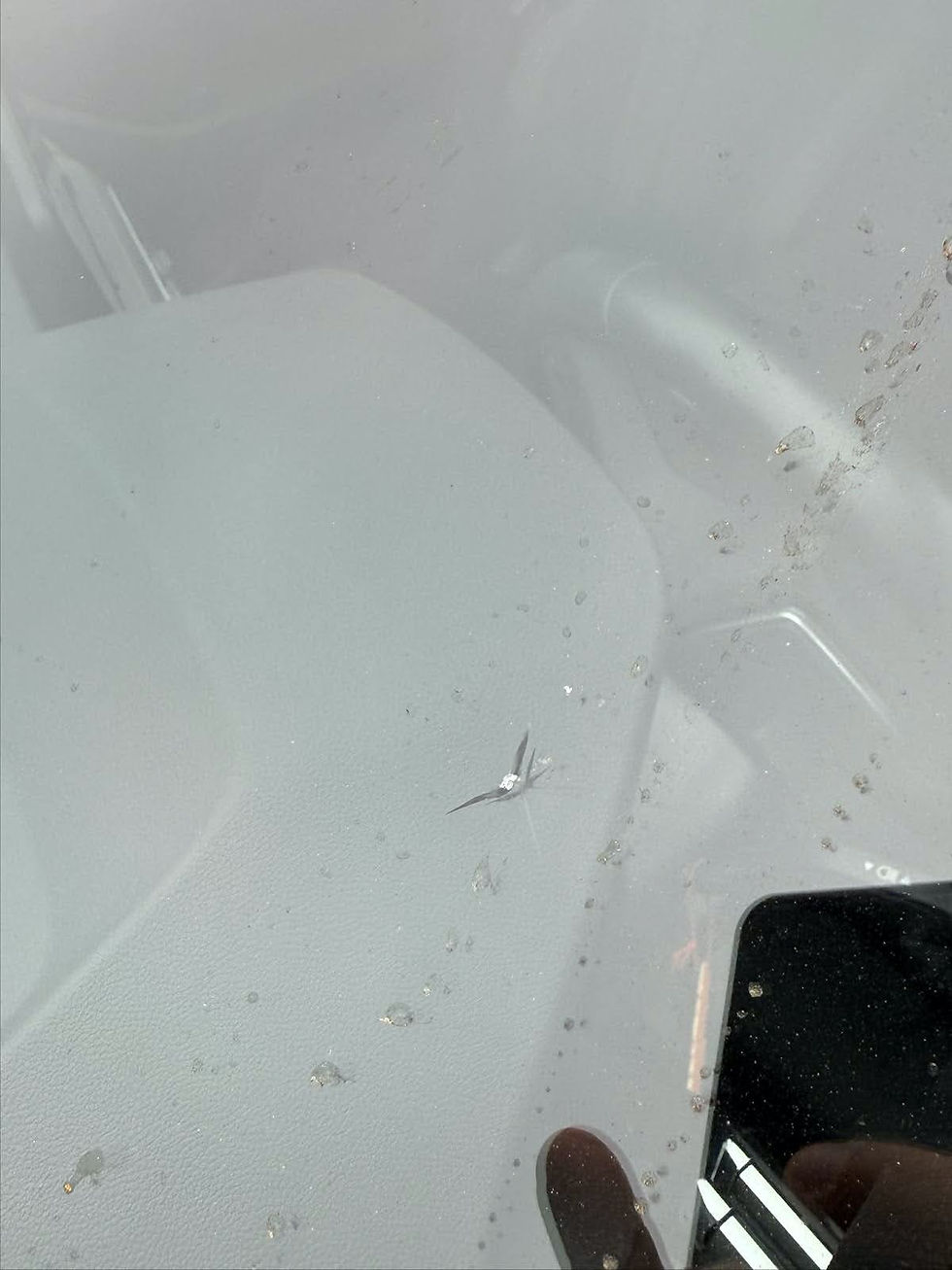
Glass expands and contracts with heat and cold, and if there’s already a chip, that expansion is uneven. What starts as a teeny surface wound can deepen and spread, kind of like that one thread in your favorite sweater you just had to tug on.
Summer’s no friend, either. Scorching sunlight on the outside with icy AC blasting from the inside? That’s a recipe for stress fractures. It’s like putting a hot glass in cold water—it’s asking for trouble.
With all that said, weather conditions shouldn’t stop you from getting your windshield replaced. It’s possible to do the job right, even in extreme conditions, so there’s really no reason to wait.
Visibility Isn’t Just About Clean Windows
Here’s a curveball for you—safety isn’t just about the windshield staying in place. It’s also about what you can see through it.
Even a small chip can distort light, especially when sunlight or headlights hit it just right. That can cause glare, reflections, or slight warping that tricks your depth perception.
In low visibility conditions—like rain or dusk—that tiny distortion can delay your reaction time by a fraction of a second.
And on the road, a fraction of a second is the difference between braking on time and rear-ending the car in front of you.
Doesn’t sound so small anymore, does it?
Chips Can Invite Moisture, Dirt, and Trouble
Once a chip is there, it’s basically an open door. Moisture gets in. So does dust, grime, maybe even a bug if it’s large enough (don’t ask, it happens). Over time, all of that mess seeps into the layers of your windshield, making it harder to repair cleanly.
Even if you decide to fix it later, now it’s a trickier job. Resin might not bond properly. You might be left with a cloudy spot. And cloudy spots on the glass? Bad for clarity. Bad for resale. Just plain bad, period.
You know what? Think of it like getting a paper cut and skipping the Band-Aid. It seems minor—until it gets infected and you’re googling “red streaks on hand danger?”
Let’s Talk About Airbags
This is the part where things get serious. Your front airbags deploy upward toward the windshield before cushioning you.
But if the glass is weak—because of a chip or crack—it can shatter too easily, changing the trajectory of the airbag or preventing it from deploying effectively.
The windshield literally acts as a backboard for the airbag. Without that support, the bag might inflate in the wrong direction or with less force. And when that happens in an actual collision… well, let’s just say your seatbelt can’t do it all alone.
Suddenly, ignoring that chip seems like rolling the dice, right?
The Longer You Wait, the Pricier It Gets
Money talks, so let’s talk dollars. Fixing a chip is often a fraction of the cost of replacing the whole windshield.
Most shops offer quick, affordable chip repairs that take less than an hour. Some even do mobile service—you don’t even have to leave your driveway.
But if that chip spreads? Now we’re talking hundreds of dollars for a full replacement. Possibly an ADAS recalibration if your car has lane-assist sensors.
Possibly a few hours of your time. Not to mention insurance headaches, deductible decisions, or arguing with adjusters about whether it counts as damage from road debris or neglect.
So, what’s the smarter move? Spend $80 now—or $600 later?
Quick Fix, Big Peace of Mind
Here’s something no one says out loud, but it’s true: when you know your windshield is solid, you drive differently. More confidently. Less distracted. You’re not constantly eyeing that little chip, wondering, “Has it grown? Was that new this morning?”

There’s comfort in knowing that when you need to brake hard, your windshield’s got your back—literally. And when a storm rolls in, you’re not risking water creeping in or wipers catching on uneven glass.
Peace of mind is underrated. And it often starts with fixing the little things before they become big ones.
How to Know When It’s Time to Fix It
Still unsure whether you should fix that chip? Here’s a simple checklist:
Is the chip smaller than a quarter? Most are repairable if caught early.
Is it not in the driver’s line of sight? Repairs here can cause mild distortion.
Is it shallow (not cracking through the layers)? Perfect candidate for resin repair.
Is the glass otherwise in good condition? If yes, you’re golden.
If you're unsure, any reputable technician can give you a fast assessment—often for free.
The Bottom Line: Safety First, Always
You know what? Windshield chips feel small, but they carry weight.
Literal weight—supporting the roof in a rollover. Mechanical weight—guiding airbags.
Visual weight—keeping your sightline clear and unbroken. And emotional weight—knowing your ride is as safe as it looks.
That’s why glass chip repair safety isn’t just a “car maintenance” issue. It’s a you and your passengers' safety issue.
Auto Glass Kings: Where Chip Repair Meets Confidence
At Auto Glass Kings, we take chip repairs seriously—not because we’re obsessive about glass (okay, maybe a little), but because we know what’s at stake. Your windshield isn’t just a window—it’s a shield. And we treat it like one.
If you’ve been putting off a repair or just noticed that chip this morning, don’t wait until it spreads. If you’re in or near Orange County, California, we provide the finest cracked windshield repair services available.
Call us now or send an email. We’ll handle it fast, fix it right, and make sure your drive stays safe.
Because your windshield may be transparent, but our priority is crystal clear: your safety.


You know what? Auto glass replacement Broderick, CA is about more than just car maintenance—it's about your safety. A small windshield chip can carry significant weight, supporting the roof in a rollover, guiding airbags, and keeping your sightline clear. Don’t ignore that seemingly minor damage—repairing it ensures your vehicle remains as safe as it looks, protecting you and your passengers every time you're on the road.